How to Overcome Shift Work Sleep Disorder
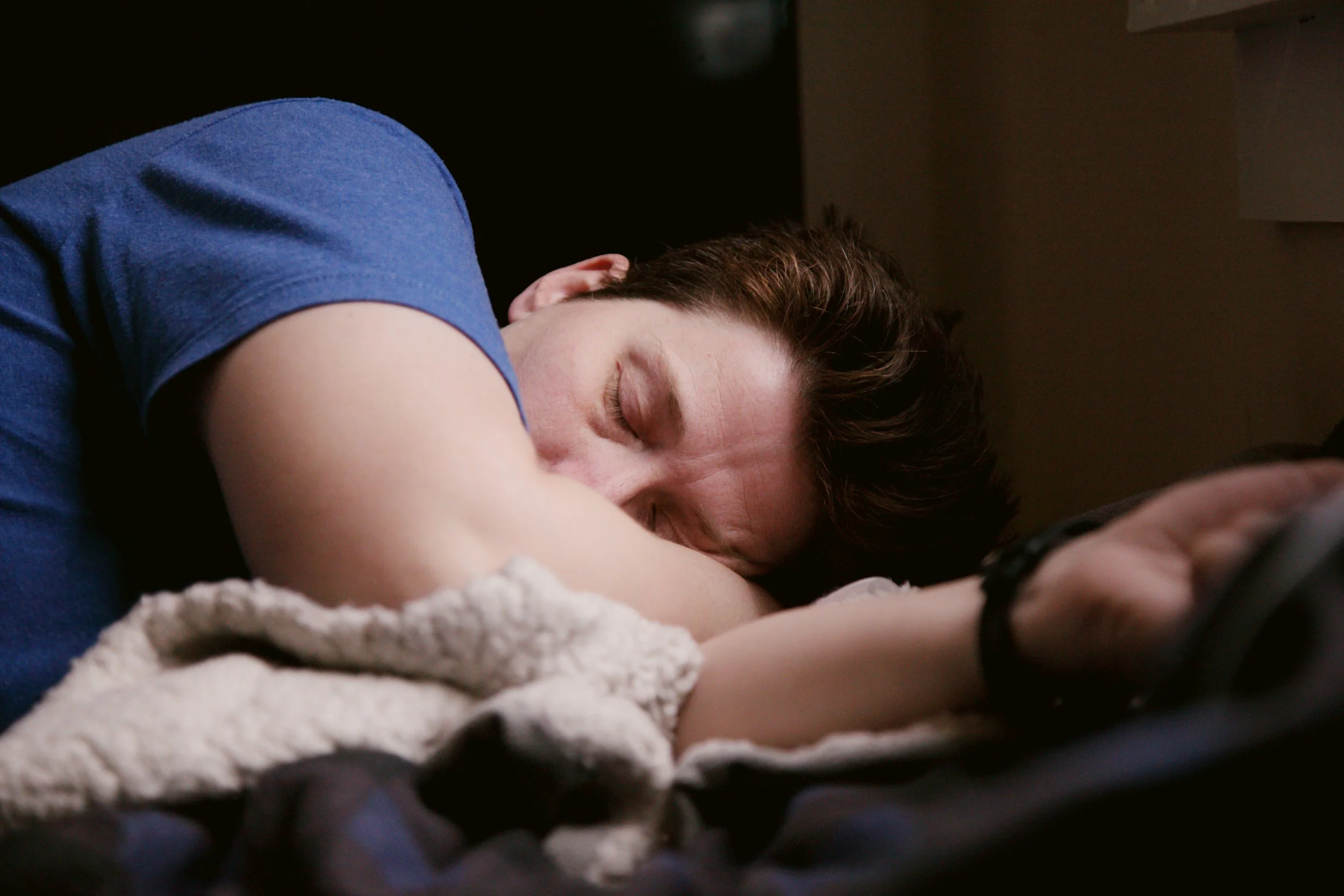
We’ve all been there – you’re driving home in the morning from a long night shift. You’re exhausted, feeling sick. You get home, slump into bed, and within thirty minutes you’re wide awake and unable to get to sleep.
You then fight sleep for the next few hours before finally giving up, and return to work that evening after a few hours of broken sleep, barely able to keep your eyes open.
This is just the way things are, isn’t it? And there’s nothing that can be done about it.
Wrong.
When we work nights and want to take care of our body and our energy, we have to use our body’s natural processes to our advantage.
In a nutshell – our bodies want to be awake when the sun is up and want to go to sleep when the sun is down. When we work shifts, we have to be a little creative.
The reason you can’t sleep during the day comes down to a few factors –
Caffeine. Stress. Daylight.
All of which can be fixed with some focused effort.
Have a caffeine cut-off point. When I was a police officer, I was very guilty of drinking coffee throughout the night to get through the shift due to poor sleep the day before. However, this makes the problem worse, as we then can’t sleep when we go to bed in the morning. So a caffeine cut-off point is essential for restful sleep.
Stress.
As a first responder, I would deal with many things that were stressful. Car accidents. Fights. Blue light runs that spike adrenaline.
Which is why when I got into my car and went to drive home, I would start decompressing. I would do a short breathing exercise and even play some relaxing music. When I got home, I’d be intentional. Have a warm shower and let the day fall away from me. Even do some meditation before heading to bed.
Going to bed right after a night shift is like trying to sleep after getting off a rollercoaster. Your nervous system is still amped up, which means it is very difficult, and frustrating, to do.
Lastly, sunlight.
Sunlight is both your enemy and your friend when it comes to shift work.
We have to create darkness when we get in from work. Blackout blinds or an eye mask. A fan to keep the room cool. Even some white noise on YouTube. Create darkness, and sleep will come quickly.
Then, when we get up, we have to wake our bodies back up. This means opening the curtains, getting outside for a walk in the afternoon or evening sun, and eating our first meal of the day.
By utilising these three tips, we can create a system that works for us and take out the guesswork.
And if you want more free support, be sure to join my 14 Ways in 14 Days of Shift Worker Support by clicking here.
For a dedicated community filled with wellbeing support, video courses around sleep, work-life balance, stress management, and even shift-friendly gym workouts, then join the Shift Proof community now.