How to Make a Stalker Leave You Alone: Advice from a Former Police Officer

In my time as a police officer, there was never a more insidious case that I would deal with than a stalking case. Often, stalking is not a crime that happens in isolation. In many cases, the stalker is an ex-partner.

“Stalking is like mental rape.”

Stalking can occur for a variety of reason, but the most common form of stalking that I dealt with was when an abusive and controlling relationship has ended and, as the evidence suggests, can be a precursor to serious violence and homicide. Meaning that the police and authorities must take allegations of stalking seriously.

“It is estimated 50% of stalkers carry out their threats of violence”

Research examining cases where women were murdered by men found evidence of stalking behaviour in 94% of the cases studied. This does not mean that every stalking case will escalate to violence, but it demonstrates why stalking should never simply be dismissed as annoying or unwanted contact.

Although women are more commonly victims of stalking, this does not mean that a man being stalked by a woman should be ignored, as stalking is not exclusively a gendered crime. Sadly, in my experience, the authorities did not always take stalking perpetrated by women as seriously as stalking perpetrated by men. This is changing, but not quickly enough.

Now, if you are being stalked, there are a few things you can do to protect yourself and help the authorities intervene.

There is no guaranteed way to simply make a stalker stop. The most important thing is not to ignore what is happening. If you believe you are being stalked, then listen to that feeling. Stalking is a terrifying thing to admit is happening to you, which is why many victims of stalking downplay or deny it.

A stalker will also often justify their behaviour. A stalker I arrested and interviewed told me that the reason they were leaving love notes, chocolates and flowers on their victim's car was because they had been told not to speak to the victim anymore. In their mind, they were doing what the victim wanted. They weren’t speaking to them, but they were still conducting unwanted contact, albeit justified in their own mind.

Some stalkers can continue until there is some form of external intervention, their fixation moves elsewhere, or they achieve what they are trying to achieve, such as attempting to reunify a relationship. This is why simply hoping that the behaviour will disappear is not always enough.

Also, don’t be worried if you have been replying to a stalker. In many cases I dealt with, victims of stalking placated their stalkers because if they ignored them, the behaviour would escalate and their stalker would attend their home or place of work.


 

What to do:

This is just advice. Not legal advice, and professional support should always be sought.

1 - Keep records of conversations. Do not delete anything. If you can, create a timeline of contact. Don’t omit or hide anything, even if you replied. Hiding communication can undermine your credibility.

2 - CCTV and security. Consider changing locks and having visible CCTV installed. Support with home security may also be available through the police, local authorities or charities depending on your circumstances.

3 - Check for tracking devices on vehicles and belongings. Stalkers can attach tracking devices such as AirTags to vehicles or possessions to monitor their victim's whereabouts.

4 - Seek professional support as soon as possible. Contact the police, the National Stalking Helpline, or specialist stalking charities such as Paladin.

The National Stalking Helpline can be contacted on 0808 802 0300.

5 - Consider changing your route to work, gym or other regular locations if doing so makes you safer. Changes you have been forced to make to your daily life can also help demonstrate the impact the stalking is having on you.

6 - Speak to friends, family and colleagues about what is happening. These people can be valuable witnesses should the authorities become involved, and it also means that other people know what is happening and can help keep you safe.

7 - Ask about protective orders. Depending on the circumstances, options may include a Stalking Protection Order or a non-molestation order. Stalking Protection Orders are applied for by the police, so ask the officer dealing with your case whether one should be considered. Other civil remedies may require separate legal advice.

8 - Do not downplay or minimise it. If you are being constantly called or texted, the other party is sending gifts to your home or work, turning up at your gym, asking friends and family to pass on messages, contacting you through social media or withheld numbers, or sending small bank transactions with messages attached, then this is not something to be ignored.

A withheld number only prevents the number from appearing on your handset. It does not necessarily make the caller untraceable to the police or telecommunications providers.

You may be the victim of stalking, and the behaviour may escalate and become incredibly dangerous.

If you are in immediate danger, contact the police.

If you are trying to report a stalker and the police are not taking it seriously, you can request to speak to a supervisor or senior officer about what is happening.

You can also ask what risk assessment is being completed. Police forces may use the Domestic Abuse Risk Assessment, known as DARA, while DASH assessments may still be used by specialist officers and partner agencies depending on the circumstances.

If the stalking relates to domestic abuse, ask about referral to an Independent Domestic Violence Adviser, or IDVA. Specialist stalking services may also provide support through an Independent Stalking Advocacy Caseworker.

You can ask about giving a video-recorded interview where appropriate and whether special measures may be available should the case progress to court.

There are plenty of support services out there to help people who believe they are victims of stalking. Most importantly, being the victim of crime and abuse is never your fault.


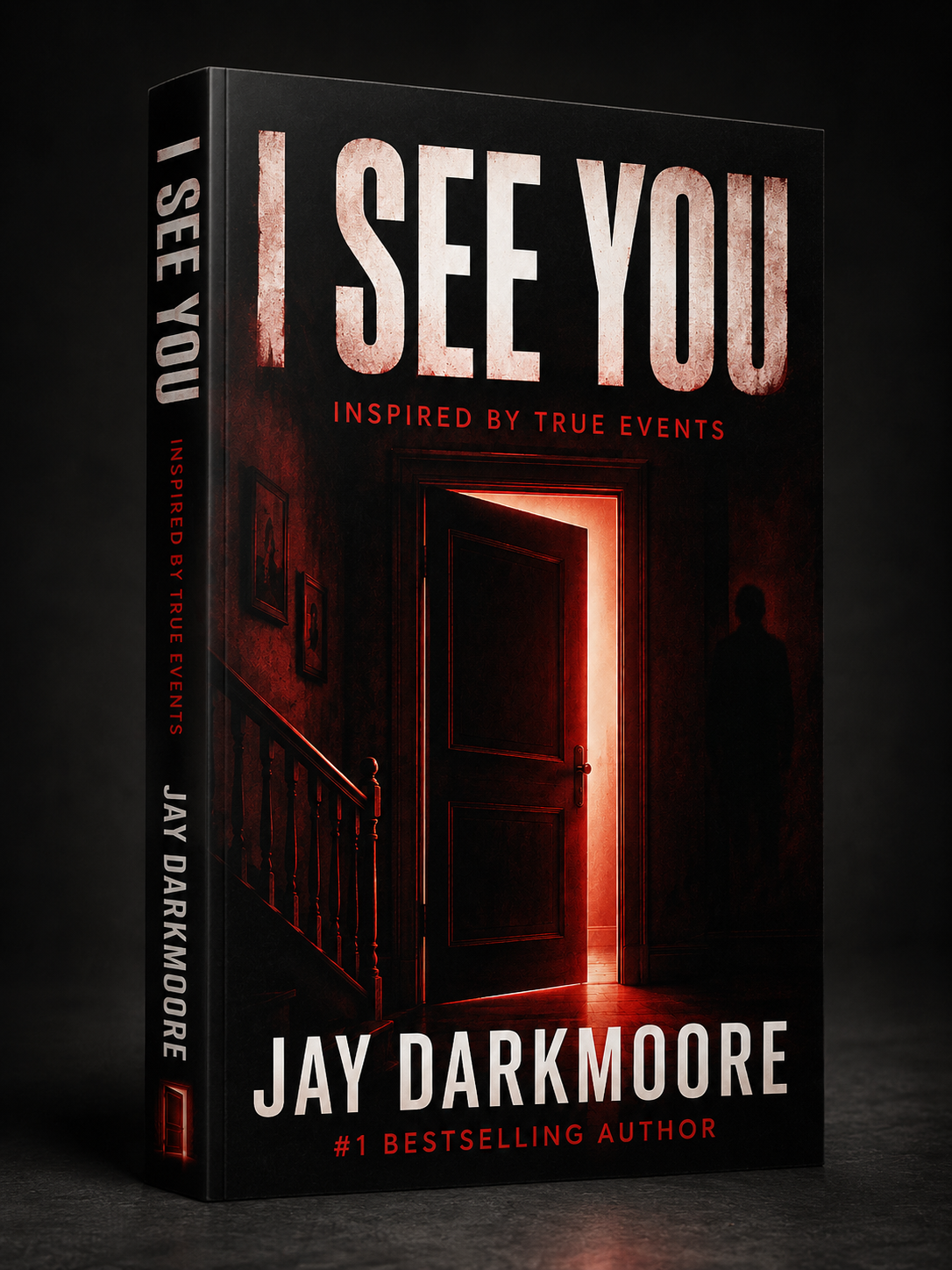
If you’re interested in the darker psychology behind stalking and obsession, my crime thriller ‘I See You’ explores those themes through fiction.

Previous
Previous

What Happens When Someone Is Reported Missing in the UK? A Former Police Officer Explains

Next
Next

Linsey Clancy - Killed her children, but is it ‘murder’? Former police officer explains