Stalker spared prison after attacking ex girlfriend with a knife
On Sunday the 15th of March 2026, in Cirencester, Gloucestershire, a 14-year-old boy waited outside a shop for his former girlfriend, whom he went to school with, before attacking her with a knife.
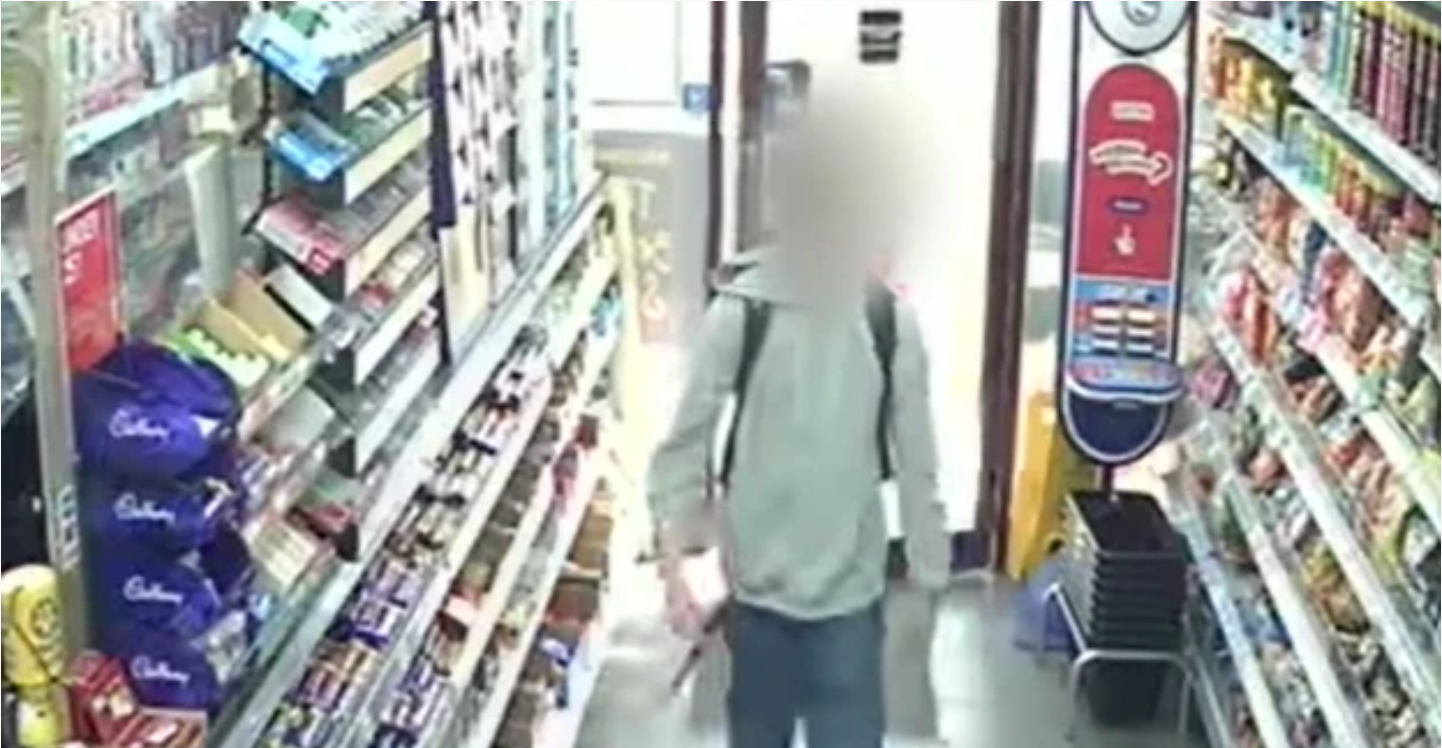
The boy approached the girl calmly before producing a six-inch knife from his pocket and unleashing a frenzied attack on her, attempting to stab her more than ten times. The shopkeeper intervened, also suffering injuries, before the girl fled the shop and the boy was arrested in possession of the knife.
The boy was sentenced at the Youth Court and handed a three-year restraining order and a twelve-month youth rehabilitation order.
So how does this happen? How does a childhood romance at school turn into something deadly? What causes someone to act in this way, and why did the courts not send the boy to prison?
How did we get to this point?
On Sunday the 15th of March 2026, in Cirencester, Gloucestershire, a 14-year-old boy waited outside a shop for his former girlfriend, whom he went to school with, before attacking her with a knife.
The boy approached the girl calmly before producing a six-inch knife from his pocket and unleashing a frenzied attack on her, attempting to stab her more than ten times. The shopkeeper intervened, also suffering injuries, before the girl fled the shop and the boy was arrested in possession of the knife.
The boy was sentenced at the Youth Court and handed a three-year restraining order and a twelve-month youth rehabilitation order.
So how does this happen? How does a childhood romance at school turn into something deadly? What causes someone to act in this way, and why did the courts not send the boy to prison?
Around 98% of domestic homicides have an element of stalking prior to the murder happening. Stalking is characterised by fixated, obsessive, unwanted and repeated behaviour (FOUR). Albeit this isn’t classed as a domestic incident due to both parties being under 16.
The boy and girl were in a brief relationship, and when the girl ended the relationship, the boy became obsessed following her rejection of his further advances. He created various fake social media profiles in an attempt to contact her which the girl blocked him. This further rejection made the boy spiral until he eventually made the decision to enact vengeance, which in his mind, was likely justified.
Stalkers do not believe they are stalkers, and they rationalise their behaviour. When I have interviewed stalkers, they always deny that they are stalkers. Instead, they say that they just want to get back with the person. That they can’t live without them. That they are hurting and they don’t want to lose the relationship. Often, stalking is less about the person being stalked and more about the way the stalker is feeling, seeing the victim as both the cause and the remedy for the stalker’s pain.
When we look at the timeline, we see that the relationship ended and the female rejected the male’s advances in December 2025, and the attack occurred in March 2026. This is just around three months following the relationship being terminated. This is a worrying and rapid escalation.
A further note on this:
When we analyse and look at domestic abusive relationships, we often look at the victim and say, ‘Why don’t they just leave the relationship, and why do they keep going back?’
Simple. Fear. Because when the relationship ends and the perpetrator knows that they no longer have control, and their attempts at rekindling the relationship are not working, this is when the victim is in the most danger and when things, as we have seen, can turn deadly.
So why did the boy not go to prison?
Want to dive deeper into why the Criminal Justice System is failing? Check out m book ‘The System’s F*cked - The Unheard Voices of Broken Justice.’ A no holds barred account from those who live and breath it each day, who have been silenced. Until now…
Available on Kindle, paperback, and audio.
The comments made by the judge are telling.
The sitting judge in this case described the incident as ‘very troubling’, but did not consider the 14-year-old boy to be a ‘danger’, even though he had likely planned this attack in his head for months before executing it.
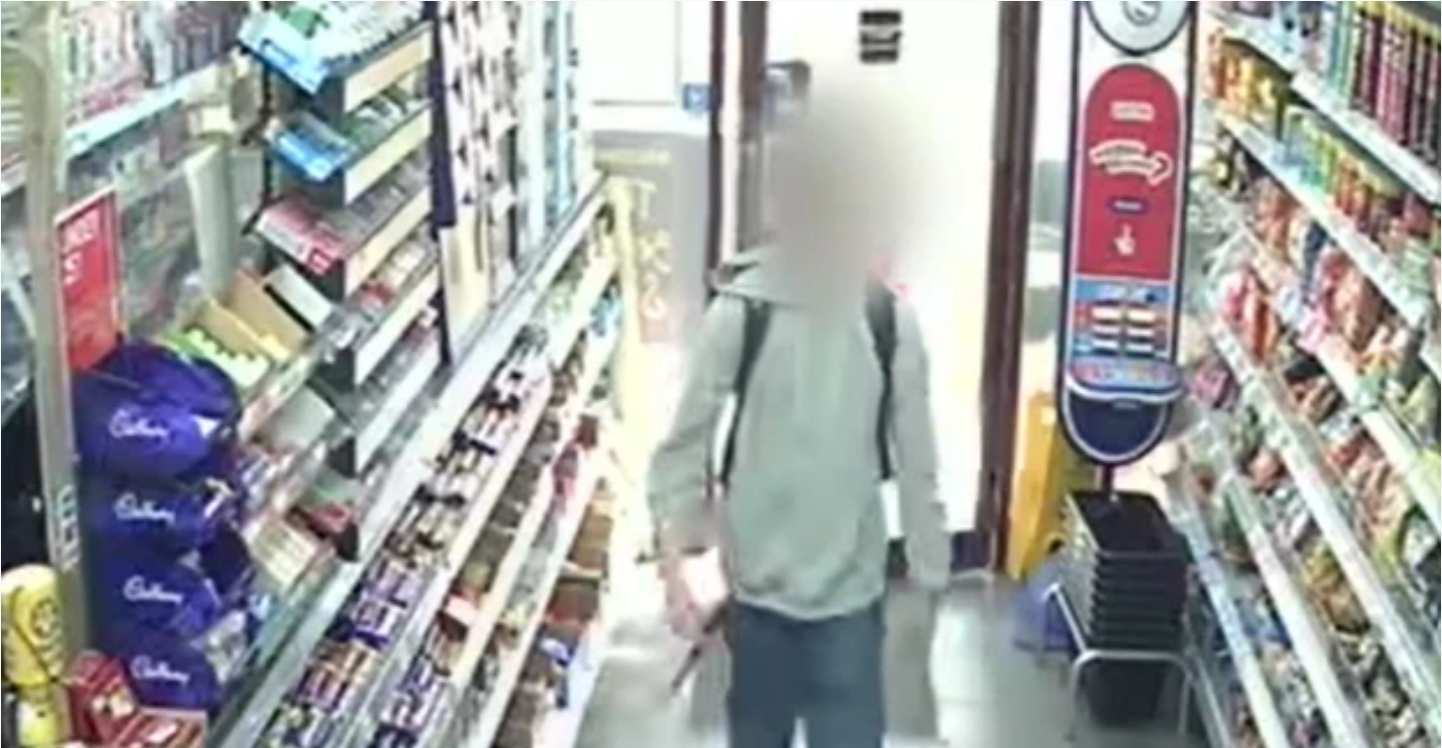
We can also see from the hand placement of the knife that he was holding the blade in a downward motion. This is known as the ‘icepick’ grip, and allows someone to generate much greater force with a strike, and allows someone to target someone’s vital areas, such as face, neck, chest and head.
We have a boy who became obsessed with a girl and then, over the space of months, attempted to rekindle the relationship before trying to, in my opinion, murder her.
But the judge says he isn’t a danger.
The boy should have been sent to prison, but instead received a restringing order, and a rehabilitation order. I don’t know about you, but someone shouldn’t need a course to tell them not to try and kill someone. She doesn’t like you anymore. That sucks, but life goes on, kid.
So now, why was the boy not charged with attempted murder?
The cold truth is that, despite the boy attacking the girl with a knife and attempting to stab her ten times, loitering around where she was and arriving at the location with a knife in his possession, the prosecution has targets to hit. Because of this, they will often go for the ‘safest charge’. This means that if they can secure a lesser, stronger charge, like intending to cause serious harm, rather than fight for a more difficult but serious charge, such as attempted murder, then they will. It’s all about success rates and statistics.
This is a horrific case where a young boy became obsessed with a girl. Loitered around where he knew she was, with a knife in his pocket. Entered the premises with, in my opinion, the intent to kill, and was then given an extremely lenient sentence at court.
If you enjoy these deep dives into true crime, then join my newsletter where I share more insights into true crime from the perspective of a former police officer, as well as thriller books and other projects I am working on.
A true delight for crime junkies.
What Happens When Someone Is Reported Missing in the UK? A Former Police Officer Explains
What happens when someone is reported missing in the UK? A former police officer explains.
What do the police actually do if someone is reported missing, and do you have to wait 24 hours to report someone missing? And what if you are an adult who wants to disappear into the woods of your own accord. Can the police force you return home, or tell others where you are?
Do You Have to Wait 24 Hours to Report Someone Missing?
No. You do not have to wait 24 hours before reporting someone missing.
If you are genuinely concerned about someone’s safety or welfare, they can be reported missing immediately. If there is an immediate danger to life, you should call 999.
The idea that somebody needs to have vanished for 24 hours before the police will become involved is one of those things that has somehow embedded itself into popular culture. Thanks, Hollywood.

What Happens When Someone Is Reported Missing?
Once a report is made, the police need to establish exactly what has happened.
Who is missing? When were they last seen? Where were they going? What were they wearing? Do they have their phone? Have they taken money, clothes or their passport? Is disappearing completely out of character for them?
Police will also want information about the missing person’s physical and mental health, medication, alcohol or drug use, relationships, recent behaviour, possible exploitation, coercion, domestic abuse and anything else that might increase their vulnerability. Details of friends, family, associates, workplaces, schools and places they regularly visit can also become important.

What Checks Do Police Make for a Missing Person?
The first enquiries can be relatively straightforward. Police may search the missing person’s home and the location where they were last seen. They will search the home of the missing person. Especially crawl spaces and where someone may hide a body.
In my memoir ‘The System’s F*cked – The Unheard Voices of Forgotten Justice,’ a police officer detailed to me how they had spent weeks trying to find a female who had been reported missing. Her boyfriend was adamant she wasn’t in the house and he hadn’t seen her, and an officer made the suggestion they check the loft for a body. Unfortunately, the officer was right. Ther girl was found dead in the loft being feasted on by flies, and the boyfriend was arrested for her murder.
So police will check these places. They amy also speak to family, friends and associates of the MISPER (Missing Person).
They can check hospitals, police systems and custody records. Police will also trawl through CCTV, establish whether the missing person has access to a vehicle, obtain details of social media accounts and check places they regularly visit. Police are looking for clues and evidence of whereabouts.
Missing person investigations are about building a picture from hundreds of small pieces.

Can Police Track a Missing Person’s Phone?
Yes, they can, but often not with forensic accuracy like you see on television (unless they have access to apps with accurate location services like ‘Find my iPhone’ or social media maps.
Where there is significant concern for somebody’s wellbeing, police can consider obtaining live-time communications data, including relevant cell-site data, subject to the necessary legal authority.

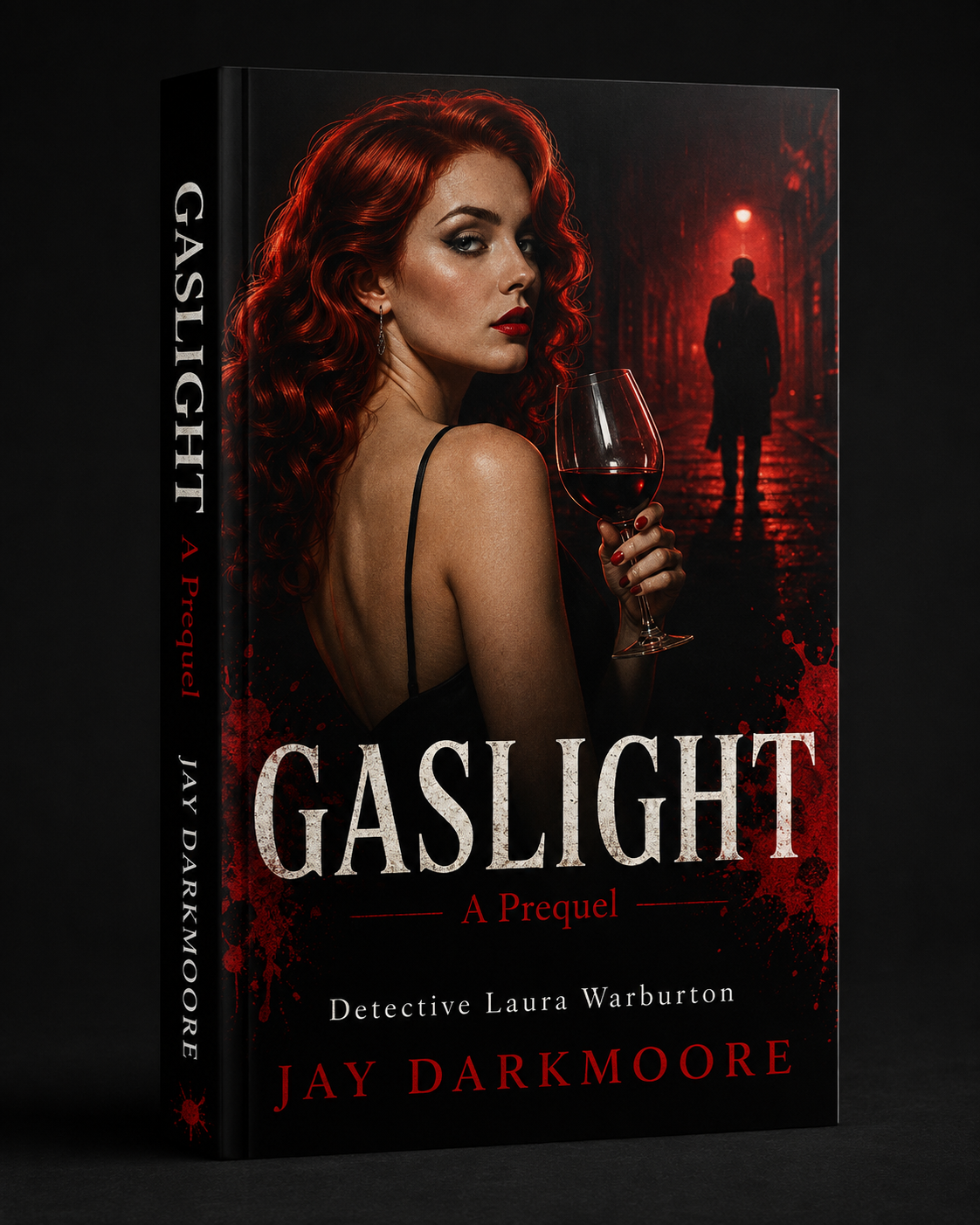
The exclusive prequel to the best selling detective Laura Warburton series, in which Laura’s troubled past is explored deeper.
Before Laura Warburton became the detective readers know, there was Ron.
On her first day as a newly promoted detective sergeant, Laura walks into one of the most horrific crime scenes of her career. Dozens of bodies. A national investigation. And a charismatic detective inspector who seems to have everything under control.
Ron is respected, powerful and impossible to resist.
But beneath the charm, something darker is waiting.
What begins with one drink will change Laura’s life forever, setting in motion a chain of events that will lead to obsession, betrayal and murder.
This is where Laura Warburton’s story really begins.
Can Police Check a Missing Person’s Bank Account?
Yes, providing it is justified through the risk of the person.
If somebody uses their bank card at a supermarket fifty miles away, suddenly the police have both evidence that the person may still be alive and a new geographical area to investigate.
Financial enquiries can include bank accounts and other records capable of helping establish somebody’s movements or lifestyle.

CCTV, Vehicles and ANPR
CCTV is another potentially huge part of a missing person investigation. Officers may look at cameras around the missing person’s home, their last known location and possible routes they may have taken. Police could also establish this to see if someone has potentially been abducted or coerced into exploitation.
Witness states they saw the missing person leave an address and get into a car. CCTV shows the registration of a the vehicle, and police track the vehicle to where it may have gone.

What Happens in a High-Risk Missing Person Investigation?
This is where the response can become much more resource-intensive. If police believe somebody is at serious risk of harm, specialist resources may be deployed.
That can include search teams, police dogs and air support. Depending on the circumstances, searches may also involve specialist water or underwater search capabilities and assistance from other organisations.
Ponds and rivers can be searched. Woods can be scoured. Mass fields and woodland can have dozens of officers deployed to locate the missing person. Police may attend the addresses of known associates and even force entry to complete searches if justified.
Police may also release a media appeal asking the public for information or sightings. I personally remember walking along the streets of a town, handing out missing person flyers of a young girl that had gone missing.
Photos can be shared to social media, mainstream news outlets, and more.

What Happens When a Missing Person Is Found?
Finding somebody doesn't necessarily mean the investigation immediately ends. Police need to establish that they have located the correct person and assess their welfare. Depending on the circumstances, there may also be safeguarding concerns, criminal offences or underlying reasons behind the disappearance that need addressing. The whole point isn't simply to change someone's status on a computer from missing to found. It is to establish whether they are safe.
Can an Adult Legally Disappear in the UK?
What happens if you're an adult, you're perfectly safe, and you've simply decided:
Fuck it. I'm disappearing into the woods.
Can you?
Yes. Yes you can. It is not illegal for an adult to go missing.
If police locate an adult who is safe, has capacity to make their own decisions and isn't subject to some other legal power requiring intervention, the police generally cannot simply force that person to return to their family because somebody wants them home.
And here's the part that surprises many people.
If you don't want your family to know where you are, the police will not normally disclose your location.
They can establish that you're safe and tell the person who reported you missing that you have been located without telling them where you are.
So somebody could potentially receive a message along the lines of:
We've found them. They're safe and well. They don't want their location disclosed.
And that's it.
Obviously, there are caveats. Safeguarding concerns, questions around capacity, offences, court orders and other legal issues can completely change the situation. But simply being somebody's parent, partner, sibling or friend doesn't automatically give you the right to know where an adult is.
If you enjoy deep dives into policing, crime and what actually happens behind the scenes of investigations, join my crime newsletter for exclusive content, deep dives, news on books, and even a free prequel to my best-selling crime series.
Jay Darkmoore is a former police officer with nearly a decade of experience on the front line, who now uses his in depth knowledge to write cutthroat authentic crime thrillers.

How to Make a Stalker Leave You Alone: Advice from a Former Police Officer

In my time as a police officer, there was never a more insidious case that I would deal with than a stalking case. Often, stalking is not a crime that happens in isolation. In many cases, the stalker is an ex-partner.
“Stalking is like mental rape.”
Stalking can occur for a variety of reason, but the most common form of stalking that I dealt with was when an abusive and controlling relationship has ended and, as the evidence suggests, can be a precursor to serious violence and homicide. Meaning that the police and authorities must take allegations of stalking seriously.
“It is estimated 50% of stalkers carry out their threats of violence”
Research examining cases where women were murdered by men found evidence of stalking behaviour in 94% of the cases studied. This does not mean that every stalking case will escalate to violence, but it demonstrates why stalking should never simply be dismissed as annoying or unwanted contact.
Although women are more commonly victims of stalking, this does not mean that a man being stalked by a woman should be ignored, as stalking is not exclusively a gendered crime. Sadly, in my experience, the authorities did not always take stalking perpetrated by women as seriously as stalking perpetrated by men. This is changing, but not quickly enough.
Now, if you are being stalked, there are a few things you can do to protect yourself and help the authorities intervene.
There is no guaranteed way to simply make a stalker stop. The most important thing is not to ignore what is happening. If you believe you are being stalked, then listen to that feeling. Stalking is a terrifying thing to admit is happening to you, which is why many victims of stalking downplay or deny it.
A stalker will also often justify their behaviour. A stalker I arrested and interviewed told me that the reason they were leaving love notes, chocolates and flowers on their victim's car was because they had been told not to speak to the victim anymore. In their mind, they were doing what the victim wanted. They weren’t speaking to them, but they were still conducting unwanted contact, albeit justified in their own mind.
Some stalkers can continue until there is some form of external intervention, their fixation moves elsewhere, or they achieve what they are trying to achieve, such as attempting to reunify a relationship. This is why simply hoping that the behaviour will disappear is not always enough.
Also, don’t be worried if you have been replying to a stalker. In many cases I dealt with, victims of stalking placated their stalkers because if they ignored them, the behaviour would escalate and their stalker would attend their home or place of work.
What to do:
This is just advice. Not legal advice, and professional support should always be sought.
1 - Keep records of conversations. Do not delete anything. If you can, create a timeline of contact. Don’t omit or hide anything, even if you replied. Hiding communication can undermine your credibility.
2 - CCTV and security. Consider changing locks and having visible CCTV installed. Support with home security may also be available through the police, local authorities or charities depending on your circumstances.
3 - Check for tracking devices on vehicles and belongings. Stalkers can attach tracking devices such as AirTags to vehicles or possessions to monitor their victim's whereabouts.
4 - Seek professional support as soon as possible. Contact the police, the National Stalking Helpline, or specialist stalking charities such as Paladin.
The National Stalking Helpline can be contacted on 0808 802 0300.
5 - Consider changing your route to work, gym or other regular locations if doing so makes you safer. Changes you have been forced to make to your daily life can also help demonstrate the impact the stalking is having on you.
6 - Speak to friends, family and colleagues about what is happening. These people can be valuable witnesses should the authorities become involved, and it also means that other people know what is happening and can help keep you safe.
7 - Ask about protective orders. Depending on the circumstances, options may include a Stalking Protection Order or a non-molestation order. Stalking Protection Orders are applied for by the police, so ask the officer dealing with your case whether one should be considered. Other civil remedies may require separate legal advice.
8 - Do not downplay or minimise it. If you are being constantly called or texted, the other party is sending gifts to your home or work, turning up at your gym, asking friends and family to pass on messages, contacting you through social media or withheld numbers, or sending small bank transactions with messages attached, then this is not something to be ignored.
A withheld number only prevents the number from appearing on your handset. It does not necessarily make the caller untraceable to the police or telecommunications providers.
You may be the victim of stalking, and the behaviour may escalate and become incredibly dangerous.
If you are in immediate danger, contact the police.
If you are trying to report a stalker and the police are not taking it seriously, you can request to speak to a supervisor or senior officer about what is happening.
You can also ask what risk assessment is being completed. Police forces may use the Domestic Abuse Risk Assessment, known as DARA, while DASH assessments may still be used by specialist officers and partner agencies depending on the circumstances.
If the stalking relates to domestic abuse, ask about referral to an Independent Domestic Violence Adviser, or IDVA. Specialist stalking services may also provide support through an Independent Stalking Advocacy Caseworker.
You can ask about giving a video-recorded interview where appropriate and whether special measures may be available should the case progress to court.
There are plenty of support services out there to help people who believe they are victims of stalking. Most importantly, being the victim of crime and abuse is never your fault.
If you’re interested in the darker psychology behind stalking and obsession, my crime thriller ‘I See You’ explores those themes through fiction.
Linsey Clancy - Killed her children, but is it ‘murder’? Former police officer explains
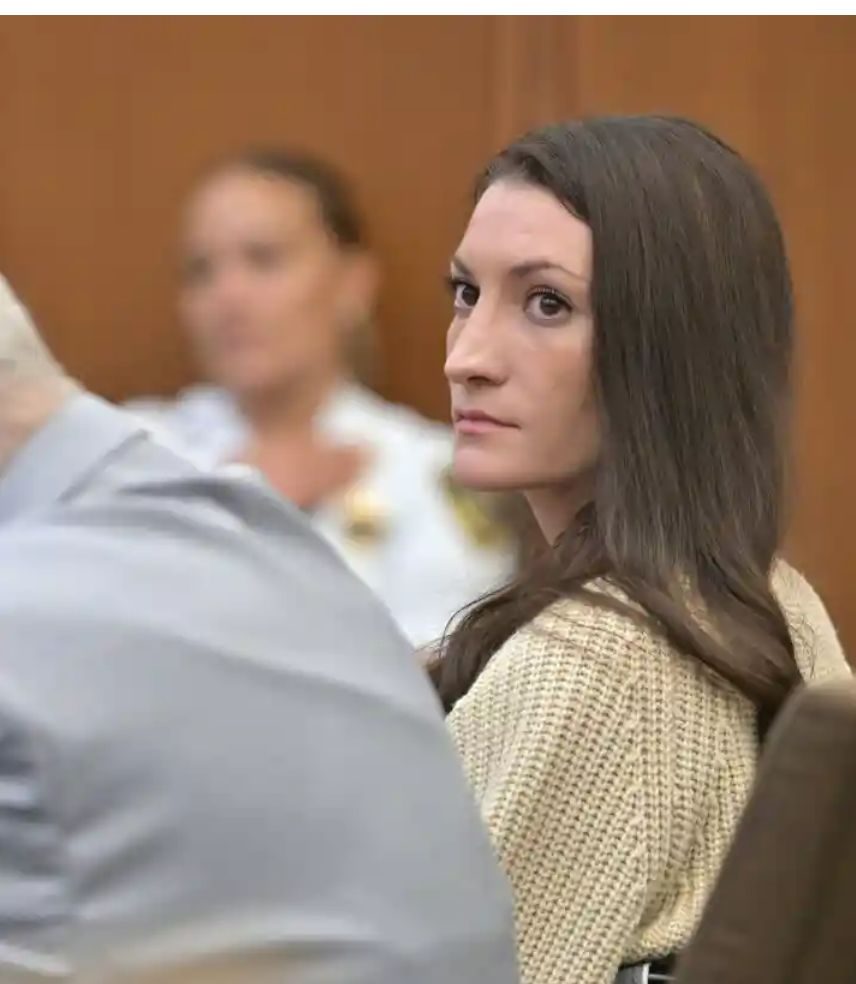
Image for Google
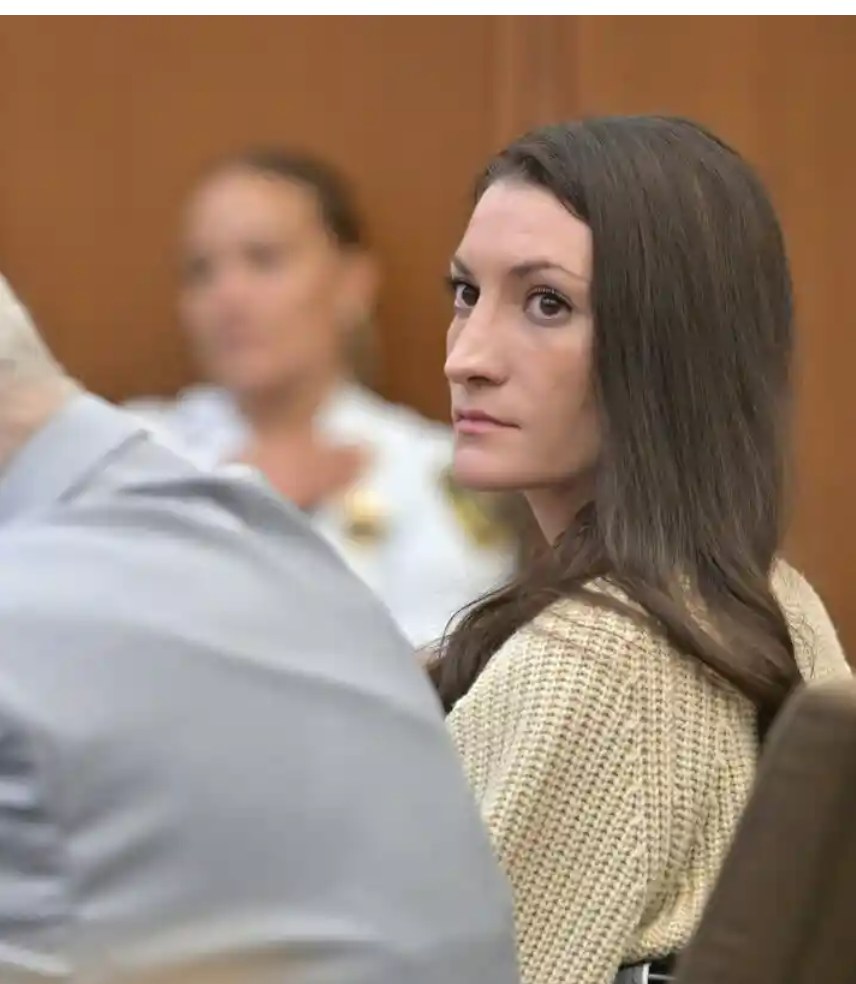
The Lindsay Clancy case has captured the world. From true crime fanatics, diving into the case in real time, from people on social media screaming online that she is innocent. From man haters, claiming it MUST have been the husband, to cynics claiming that there is something greater going on. Mental health professionals, former police officers and social critics, all weighing in with their opinion.
The case is very similar to the case of Andrea Yates in 2001, who methodically drowned her five children in a bathtub in Houston, Texas. Initially convicted of capital murder in 2002, her conviction was overturned on appeal. In a 2006 retrial, she was found not guilty by reason of insanity after evidence concerning her severe postpartum psychosis and other serious mental illness, and was committed to a psychiatric facility.
But then there are cases of men who have murdered their children and had their insanity pleas rejected. Namely Aaron Schaffhausen in 2012, who murdered his three daughters and was handed three life sentences. Timothy Jones Jr, in 2014, who murdered his five children and was sentenced to death, and more recently, Chad Doerman in 2023, who murdered his children, pleaded insanity, and was still criminally convicted.
So why, if there are these existing cases, is the Clancy case so contentious? Why are, in particular, women who appear to be getting their news from social media raising money to the value of one million dollars, and standing outside the courthouse with their children with placards, for a child murderer?
Although there is a hung jury in this case, and as such now a mistrial, what criteria must be fulfilled for someone to be found guilty of murder, or innocent by way of insanity?
Surely killing your children in the way she did is as clear-cut as it comes, right? Not quite.
Clancy was on trial for the alleged murder of her three young children. Clancy has admitted strangling her children, Cora, five, Dawson, three, and Callan, eight months, with exercise bands in the basement of her home, before trying to take her own life.
Clancy does not deny committing the murders, but rather states that she was suffering from a psychotic episode, with her defence also focusing on her mental health treatment and the medication she had been prescribed.
The prosecution rejected this and stated that she planned the killings, understood what she was doing and understood that it was wrong.
For most serious crimes such as murder, two elements generally need to be established.
For most serious crimes such as murder, two elements generally need to be established.
These are known as the ‘actus reus’ - the act of the crime itself.
And the ‘mens rea’ - the required mental state for the offence at the time the act occurred.
Example - Jimmy the criminal goes to the shop and steals a loaf of bread. He was mentally astute and committed the act of theft, intending to steal it.
Both fulfilled.
Jimmy the criminal, in full mental acuity, goes to the store and accidentally puts something in his pocket and forgets about it until he leaves. At the point he accidentally takes it, he has committed the act unknowingly, but does not have the required intention to steal it.
Jimmy is on the roof of his home, throwing bricks off the top during some construction work. He is fully mentally astute and believes no one is under the building. He throws the bricks off, and one collides with someone, killing them. Jimmy didn’t intend to hurt anyone, but was reckless in his handling of the bricks. Jimmy could therefore potentially be found guilty of manslaughter, depending on the level of recklessness and the circumstances. A specific intent to kill is not required for every form of murder under Massachusetts law.
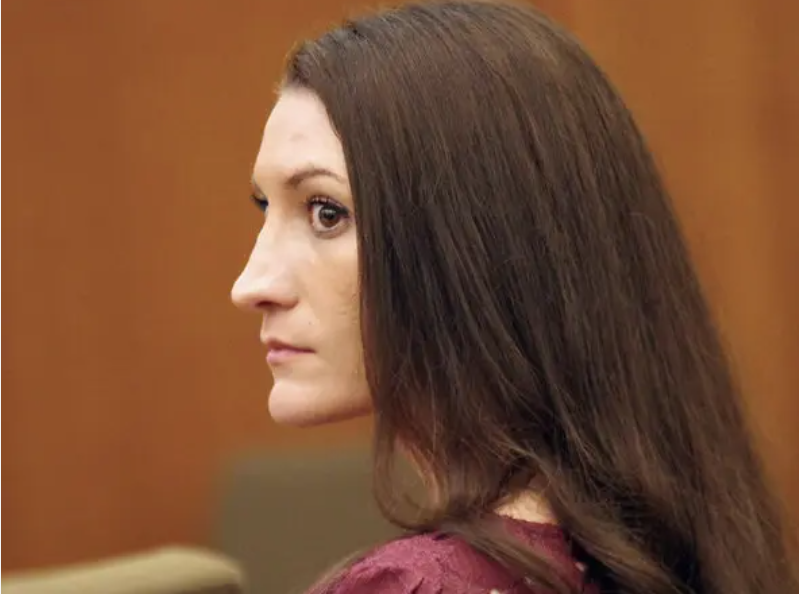
FSo, if the prosecution can prove beyond reasonable doubt that Clancy killed the children, had the required intent, and either deliberately premeditated the killings or committed them with extreme atrocity or cruelty, and also prove that she was criminally responsible at the time, then we can have first-degree murder, as defined under Massachusetts law.
In relation to Clancy, and why this is such a controversial case, is the fact that although we have Clancy admitting she killed the children, and even if premeditation is determined, the trial largely hinged on whether the prosecution could prove beyond reasonable doubt that she had the mens rea at the time of the act being committed.
Given the history of similar cases involving men, I don’t see how this could be different. However, I, nor anyone else likely reading this, were inside the courtroom at the time. We don’t see and hear all of the evidence, so there is that to consider too. Also, from a parental perspective, even if I was suffering some form of mental breakdown and I harmed my children, I would walk myself into prison. Not claim insanity to avoid it.
This is certainly a trial that divides opinion, and we must always remember that the evidence heard in the courtroom is the evidence that is being deliberated on to determine guilt or lack of criminal responsibility. Not the online sleuths on TikTok and wider social media.
Right now, there has been a mistrial called due to 11 of the jurors finding Clancy was too mentally unwell at the time of the killings, and as such is not criminally responsible, and one juror maintaining that she is guilty of murder.
Now, we wait to see what happens next.

What will a retrial look like? Will there be new evidence? What precedent in law will this set if Clancy isn’t found criminally responsible? What bigger questions does this case ask in relation to mental health and the safety of children around caregivers with mental disorders? What about the pharmaceutical drugs Clancy was under? A large cocktail of them, in fact.
No matter what happens, there will be some who will dispute the verdict, and we must also remember that the real victims of this trial are the three young children, Cora, Dawson and Callan, who lost their lives in such a tragic way at the hands of their caregiver.

When Cancel Culture Rises from the Grave
Why you should stand up for what you believe in, and not appeal to those that wish to see you fall.
Throughout the years, I have read books that have shocked me and rocked me to the core. From indie books such as Woom to mainstream works like IT by Stephen King. Some writers love to push the boundaries of what is considered acceptable. While some readers turn away in disgust, others find themselves drawn to this more sadistic side of storytelling.
Writers often pour their deepest and darkest thoughts into their work—just as songwriters, artists, and actors do. We open up that locked box of all our messed-up thoughts, emotions, and feelings, and throw them out into the world. Things we would never say in public, or scenes we would never act out in real life.
The best creators are often tortured in some way, and a little messed up. This is why the best music is made when artists are scraping the barrel and barely functioning through addiction, and why the best artists and writers are those who are crippled by heartbreak and substance misuse. Look at Edgar Allan Poe, Van Gogh, Nirvana, and more. Some of the greatest, most influential artists in their fields let their sick and tortured emotions run riot upon the canvas, allowing it to flow into the world, and at one point, we loved it. Writers and artists stood for something. People complained, yes, but the writer rarely apologised for it, and publishers backed them.
This is what storytelling is. It’s stepping into a world away from our own and lifting the veil on what is going on inside someone's mind in the shadows. And we love it. We love reading, hearing, and feeling those emotions of pain. We love wrestling with moral conundrums and philosophical arguments that the creator conveys to us.
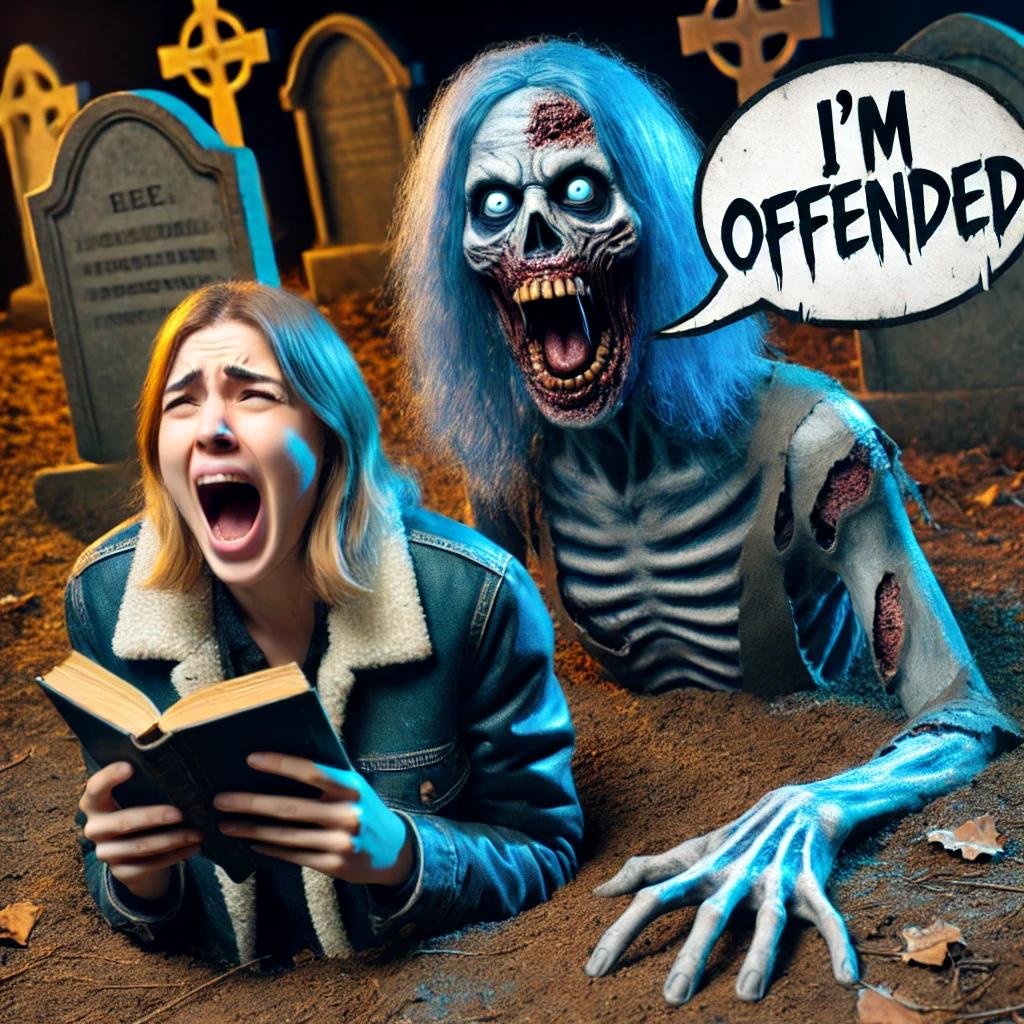
And then, people got sensitive, and offence became currency.
Recently, I became aware of a writer named Sophie Lark, who found herself on the receiving end of backlash because she wrote something in one of her novels that someone found offensive. This ‘fan’ decided to post it online, without context, and the post blew up. People were calling for the writer’s blood, insisting she should be struck from her publisher and banished from the face of the earth—all because someone, somewhere, found something offensive in her work.
I shook my head when I heard this. I couldn’t believe we still live in a world so full of sensibilities, trigger warnings, and mollycoddling to people's feelings when creating something that isn’t even real.
Surely, that is the point of artwork—to challenge the norm, to poke at the fabric of what is considered decent, and to force emotions and ask questions that make the reader think.
Now, you may think that this writer wrote something truly awful, perhaps screaming some racist or disgusting rhetoric. No, far from it. She wrote the line:
“But shouldn’t there be a crew of people with questionable work visas picking these grapes for us?”
This is clearly a character making a satirical comment about someone else in the story. The poster and complainer went on to say they couldn’t believe other characters in the story didn’t challenge the character who said this. What in the world? Are we seriously getting upset that a fictional set of characters didn’t challenge another fictional character over something said in a fictional book? What the hell has the world come to?
The complainer also got upset because the author referenced Elon Musk in the book, and this, of course, is like saying “Beetlejuice” to the woke mob.
In response to this, rather than the publisher and author sitting tight and riding out the storm until the complainers found something else to be outraged about—or, even better, doubling down and stating that if they didn’t like it, they could find another author to read—they released a statement:
I want to start by saying how much I appreciate this community. Your passion, support, and willingness to engage in meaningful conversations have always meant the world to me. That’s why it's so important for me to address something I got wrong.
It has been brought to my attention that certain lines in Sparrow and Vine were hurtful. Reading your messages and hearing your perspectives over the last twenty-four hours has been humbling, and I want to acknowledge the pain my words have caused. I am truly sorry. My intention was to craft and demonstrate a flawed main character, but instead, I wrote dialogue that read as attacking to a community that I care about very much.
During the editing process, Bloom recommended removing these lines, and I made the wrong choice in keeping them. I now understand that impact matters more than intent, and I regret that my words caused harm. Please don’t blame Bloom for my mistakes.
I wrote this back in the summer of 2024, and a lot has changed in the world since then, particularly regarding the fate of immigrants worldwide and certain public figures. Some things I would write differently now, so that’s exactly what I’m going to do.
Words mean nothing without action, so I am pausing this book and this series for some re-writes to ensure that my work doesn’t contribute to harm.
I will also be listening more closely to our sensitivity readers and taking additional steps to educate myself on responsible storytelling. And to those who took the time to share their feedback, thank you. To those I have hurt, I am very sorry. I hope I can earn your trust back in the future.
This statement is pathetic and grovelling. An attempt to appease those who cannot accept that someone thinks differently to them or is capable of redemption. Sensitivity readers? Educating yourself? You are selling out by appealing to those that do not want to hear it.
So, you wrote a line about migrants. It’s fiction. So, you wrote about Elon Musk. Who cares? It’s your art, and you decide what goes in it.
By apologising, they have played into the hands of those who would love to see them burn. Further comments on this apology were that it wasn’t sincere enough, not thought out enough, not good enough, and so on. Anyone asking for further context to the quotes were doxed as being part of the problem.
What happened to reading? When did everyone get so damn offended over everything?
Apologising for something you said when you believed it to be the right thing in the first place not only validates those who wish to see you destroyed but also alienates those who want to cheer you on.
This is why it is so important to make your own mark in the sand, letting those who think the same way as you and enjoy your authentic self, find you. This is also the issue with writing to mass market, and trying to be vanilla and appeal to everyone. By standing for nothing, you will fall for anything. The writer in this case now has not only angered the mob, but has alienated her existing audience due to her giving in.
By pandering to feelings and playing to the sensibilities of those who may read or digest your work, you are ensuring that your audience will never be happy. They will happily kick the chair from under you when you are suffocating with the rope of outrage around your throat.
You cannot, and should not, try to please everyone. Stand for something, and stand strong. That way, when the hurricane of cancellation comes, you will have strong foundations around you to weather the storm.
Not only that, but cancellation can also actually help someone get bigger. Because suddenly, everyone is talking about them. I had people ask me who this writer was, and what the book was. The person that doxed them online, actually made them famous.
If it wasn’t for the grovelling apology, I may have considered reading the book myself.
If you enjoyed this article, then please consider becoming a Patreon because you see all the cool stuff before anyone else does, and much more!

Eight Horrifying and Deadly Psychiatric Illnesses
Eight Horrifying Psychiatric Illnesses

Autocannibalism, an extreme and rare form of self-mutilation, involves individuals consuming parts of their own body. This disturbing behaviour, often associated with severe psychological disorders such as schizophrenia, extreme cases of obsessive-compulsive disorder, or severe trauma, pushes the boundaries of human distress and self-destruction. Extreme examples include individuals gnawing on their own fingers or limbs, swallowing hair leading to life-threatening digestive blockages, or repeatedly ingesting their own blood. These acts of self-consumption are driven by profound mental anguish, compulsion, or a distorted sense of reality. The shadow of autocannibalism is profoundly dark, representing a terrifying intersection of self-harm and psychological torment, where the sufferer's body becomes both the target and instrument of their inner turmoil, leaving a haunting testament to the depths of human suffering.

Bipolar Disorder is a complex mental health condition characterized by extreme mood swings that include emotional highs (mania or hypomania) and lows (depression). These shifts can be intense and unpredictable, significantly impacting an individual's daily life and relationships.
This is not someone having several a mood swings in a day, changing from rageful to loving in a blink of an eye (see borderline personality disorder). Manic phases can last for days, and depression can last for weeks.
People who suffer with Bipolar have reported to have been promiscuous, maxed out their credit cards, emptied their bank accounts, and undertaken very risky activities whilst in a manic phase, then tried to end their lives when they fall into the depressive state.
The causes of bipolar disorder are multifaceted, involving a combination of genetic, biochemical, and environmental factors. Family history plays a significant role, indicating a strong hereditary component.
Treatment for Bipolar Disorder often involves a combination of medications and psychotherapy. Common medications include mood stabilizers such as lithium, and others.
Living with Bipolar Disorder can feel like a relentless battle against one's own mind, where periods of boundless energy and euphoria can swiftly descend into the depths of despair. The disorder casts a shadow over the afflicted's life, demanding continuous management and support to navigate its turbulent and often dark landscape.

Capgras delusion is a rare psychiatric disorder where an individual harbours the eerie conviction that someone close to them—often a spouse, family member, or friend—has been replaced by an identical impostor. This unsettling belief disrupts the sufferer’s reality, making them distrust close friends, and even believing that their children have been swapped by another.
There could be a link between tis disorder, and Doppelgangers from Irish folklore.
Any attempt made by the ‘double’ to prove to the sufferer that they are in fact the real person, the sufferer will use cognitive dissonance and justification to further cement their believe that they are, in fact, an imposter.

Dissociative Identity Disorder (DID), once known as multiple personality disorder, is a complex and often misunderstood condition, marked by the presence of two or more distinct personality states or identities within a single individual. These identities, or "alters," may have unique names, ages, histories, and characteristics such as being right or left handed (amongst others), each emerging to take control of the person's behaviour at different times. This fragmentation is a defence mechanism developed in response to severe trauma, typically during early childhood. The primary identity may be unaware of the existence of others, leading to gaps in memory and a sense of lost time. Though DID is a coping strategy for overwhelming stress, it casts a long shadow over the sufferer's existence, intertwining their reality with an ever-present undercurrent of unease and disquiet.
The host is not in control of when these shifts happen and cannot command them, and this illness is incredibly rare.
Remember that when you see people saying they have it on TikTok.

Munchausen Syndrome is a psychological disorder where individuals deliberately feign or induce illness in themselves to gain attention and sympathy (Munchausen by Proxy is someone convincing someone else they are ill (see the case of Gypsy Rose)). This self-destructive behaviour stems from deep-seated emotional issues, often related to a need for validation and care. The global prevalence is challenging to determine, but it's considered rare, affecting less than 1% of the population, with a higher incidence in men. Causes are complex, involving a combination of psychological trauma, personality disorders, and a history of abuse or neglect. The sinister nature of Munchausen Syndrome lies in the lengths to which sufferers will go to fabricate symptoms, often undergoing unnecessary medical procedures and enduring significant pain, casting a dark and troubling shadow over their lives and the healthcare system.

Narcissistic Personality Disorder (NPD) is a psychological condition characterised by an inflated sense of self-importance, a deep need for excessive admiration, and a lack of empathy for others. Individuals with NPD often exhibit grandiosity, a constant desire for attention, and a belief that they are superior to others. This pervasive pattern of behaviour can lead to strained relationships and significant distress in various aspects of life. Globally, NPD affects approximately 1% of the population, with men being diagnosed more frequently than women, at a ratio of roughly 2:1. Specifically, around 2% to 6% of men and 1% to 2% of women are believed to suffer from this disorder. However, since the introduction of social media, this number is growing larger, and very rapidly, with other forms of narcissism being uncovered, such as ‘Covert’ or ‘Quiet,’ narcissism. The inner world of someone with NPD is often tumultuous, driven by fragile self-esteem and an insatiable need for validation.
Remind you of anyone you might know?

Obsessive-Compulsive Disorder (OCD) is a chronic mental health condition characterised by uncontrollable, recurring thoughts (obsessions) and behaviours (compulsions) that an individual feels compelled to repeat.
This is more than someone being a ‘clean freak.’ This is someone spending hours aligning their shoe collection perfectly because they believe if they don’t, a loved one will die. These compulsions over time can become violent, with sufferers reporting they had the compulsion to throw their hot coffee in someone’s face, or push people over railings.
For some, obsessions centre around fears of contamination, leading to compulsive cleaning and washing that can consume hours each day. Others may experience relentless doubts, resulting in repetitive checking behaviours, such as ensuring doors are locked or appliances are turned off, hundreds of times. More extreme examples include individuals driven to engage in complex rituals or routines that, if not performed perfectly, can lead to overwhelming anxiety. These severe manifestations of OCD can dominate a person’s life, causing significant distress and impairing their ability to function in daily activities.

Anorexia nervosa is a severe eating disorder characterized by an intense fear of gaining weight and a distorted body image, leading individuals to restrict food intake drastically. This condition predominantly affects adolescent girls and young women, though it can occur in any gender or age group. Anorexia nervosa has the highest fatality rate of any mental disorder, with mortality rates ranging from 5% to 20%, often due to medical complications or suicide. It is frequently associated with other mental health issues, including depression, anxiety disorders, obsessive-compulsive disorder (OCD), and substance abuse. The interconnected nature of these conditions can complicate treatment and recovery, necessitating a comprehensive, multi-disciplinary approach to care. Early intervention is critical in improving outcomes and reducing the risk of long-term health consequences and fatality.

Could Artificial Intelligence help You Get Away with Murder?
Could AI help you get away with murder?

Whether we like it or not, AI is here to stay, and with it comes a chilling new realm of possibilities. It promises better production, unprecedented efficiency, and progress at a pace humanity has never witnessed. However, a dark subset of humanity is waiting in the shadows, ready to exploit these advancements for nefarious ends.
Deepfake Pornography

Not long ago, superstar Taylor Swift was the victim of a flood of pornographic videos and images, all crafted through deepfake technology. Her legal team fought back, but what happens if you lack the resources to combat such violations?
Revenge Porn, as it’s known in the UK, involves the malicious publication of intimate images without consent. Previously, the perpetrator needed access to the victim’s private images. But now, AI has changed the game.
While AI systems are supposedly programmed with ethical boundaries to prevent the creation of such images, there will inevitably be those that operate outside these moral confines. This technology poses a dire threat, especially to individuals after acrimonious breakups, where a vindictive partner could destroy a victim’s life. Victims not only face the herculean task of removing these images but also proving their AI origins.
The Menace of Synthetic Voices and Texts

In the UK, sending grossly offensive electronic communications is illegal. But what if someone could generate your voice with AI and use it to send vile messages? What if they could send a barrage of explicit AI-generated images and texts to someone else, demanding ransom to keep them from your spouse? Imagine a fabricated video of you performing degrading acts with another person. The events aren’t real, but the devastation is tangible.
As AI continues to evolve, and AI-generated content becomes indistinguishable from reality, how will we separate truth from illusion?
Law enforcement relies on concrete evidence to convict criminals—photographs, mapping data, CCTV footage. If accused of a crime, such as murder, and you claim the evidence is AI-generated, how will the police distinguish reality from fabrication? How can they convince a jury conditioned to seeing both AI and real images? Will it become nearly impossible not just to prove guilt, but also to establish innocence?
I shudder to think what the future holds in this impending dystopian nightmare. Will we be forced to document every second of our lives to protect ourselves? Will the state install cameras in every home, claiming it’s for our safety against false accusations?
Was George Orwell's vision in 1984 a grim prophecy?
Only time will tell.

Why ‘It Ends With Us’ got so popular and was snapped up by netflix
Why It Ends With Us go so popular and why Netflix snapped it up.
Why ‘It Ends With Us’ got so popular and was snapped up by netflix

‘It Ends with Us,’ by Colleen Hoover was a TikTok and Social Media breakthrough book, which saw then indie author Colleen Hoover skyrocket to best-seller status and the book has since been snapped up by Netflix.
The book deals with some very heavy topics, namely domestic abuse, suicide idolisation, and grief, and I was surprised when I heard that this was going to be put onto the silver screen.
Hollywood often likes to shy away from books that focus on these topics, often tending to stick with more ‘classic’ movies of late, that they know have an audience, such as Marvel and superhero movies. This is because such topics are uncomfortable to watch and listen to, however ‘Netflix,’ are more willing to deal with these topics, most notably the recent boom of the British stalking series ‘Baby Reindeer.’
The fact that now, ‘It Ends with Us’ is going to be on the big screen is not only amazing for Colleen Hoover, but also for the writing world as a whole.
A far stretch from E.L James’ ’50 Shades of Grey,’ ‘It Ends with Us’ is less about spice, and more about the dynamics of a domestic violent relationship, in which we see the lead character ‘Lilly,’ who gets involved with an abusive character ‘Ryle.’
What I like about this story is that Hoover has managed to capture the essence of a domestically abusive relationship, in that the abuse starts subtle, and then eventually ramps up until the victim feels suffocated and cocooned inside the abuser’s cavern of terror.
The book has received overall critical acclaim; however, some reviewers have been vicious about the book and its themes, namely because it doesn’t have trigger warnings.
Personally, I don’t believe in trigger warnings. I think they take away from the impact that the story is meant to have. In a domestic violent relationship, the abuser doesn’t warn you about who they are and what their true intentions are, and I like that Hoover didn’t pander to the crowd and put TW in the book. I feel that would have been a disservice to both the story, and the victims of domestic abuse.
There is also a note to her mother and father at the start of the story, alluding to that her own parents’ marital dysfunction was the inspiration.
If you enjoy reading cutthroat thrillers that deal with real-life topics, then I recommend the best-selling crime series ‘Left for Dead,’ by Jay Darkmoore.

Antisocial personality disorder symptoms
Antisocial personality disorder symptoms
Suspect someone you know is a Psychopath?

Antisocial Personality Disorder (ASPD), more commonly referred to as ‘Psychopathy,’ is a behavioural disorder that significantly impacts an individual's behaviour, relationships, and overall functioning. People with ASPD exhibit patterns of manipulation, deceit, and disregard for the rights and feelings of others, often becoming leaders through manipulation and / or coercion and being able to focus under extreme pressure.
Symptoms of Antisocial Personality Disorder
ASPD is characterised by a pervasive pattern of disregard for and violation of the rights of others. According to the Diagnostic and Statistical Manual of Mental Disorders (DSM-5), the symptoms of ASPD include:
Deceitfulness - Repeated lying, use of aliases, or conning others for personal profit or pleasure.
Impulsivity - Making decisions on a whim without considering the consequences.
Irritability and Aggressiveness - Frequent physical fights or aggressive outbursts.
Reckless Disregard for Safety - Engaging in dangerous activities with little regard for personal or others' safety.
Consistent Irresponsibility - Inability to sustain consistent work behaviour or honour financial obligations.
Lack of Remorse - Indifference or rationalisation of having hurt, mistreated, or stolen from another.
Exploitation - People with psychopathy are highly likely to exploit others for their own gain without any feelings of remorse towards them.
For a diagnosis of ASPD, these behaviours must be present from the age of 15 and must persist into adulthood.
Notable Individuals Exhibiting ASPD Traits

Ted Bundy: The infamous serial killer exhibited classic ASPD traits, such as charm, deceitfulness, and lack of remorse. His ability to manipulate and his repeated criminal behaviour are indicative of severe antisocial tendencies.
Charles Manson: The leader of the Manson Family cult showed extreme aggression, manipulation, and a complete disregard for human life, traits aligning with ASPD.
Lucy Letby: The British serial killer who used her position as a neo natal nurse in the Royal Countess of Chester hospital to murder seven babies and attempt to murder a further six. She has shown no remorse for her crimes and maintains that she is innocent, despite being found guilty on these counts by jury following a ten-month Crown Court trial in 2023.
Statistics between men and women, the general population VS the prison population.

Prevalence: ASPD is more commonly diagnosed in men than in women. Estimates suggest that around 3% of men and 1% of women in the general population meet the criteria for ASPD.
Prison Populations

In prison settings, the prevalence of ASPD can be even higher. Research suggests that 30-50% of male inmates and 20-25% of female inmates exhibit traits consistent with ASPD. The disorder is associated with higher rates of recidivism and violent behaviour in prison populations.
Read ‘Left for Dead,’ the best-selling British crime novel.
The link between Psychopathy and Narcissism in domestic abuse

Studies have shown that individuals with high levels of psychopathy and narcissism are more likely to engage in domestic abuse. They are often more physically, emotionally, and psychologically abusive, with those scoring highly for ASPD and NPD likely to have multiple abusive and dysfunctional relationships.
Behavioural Manifestations

Men - Men with ASPD are more likely to engage in overtly aggressive and criminal behaviour. They are often involved in physical violence, theft, and substance abuse. Their antisocial behaviours are more visible and frequently result in legal consequences. They may display more outwardly aggressive and controlling behaviours. They often struggle with anger management and may have a higher propensity for engaging in risk-taking activities.
Women - Women with ASPD tend to exhibit more subtle forms of manipulation and deceit. Their antisocial behaviours may manifest as relational aggression, such as spreading rumours or emotional manipulation. Women with ASPD are also more likely to have co-occurring disorders, such as borderline personality disorder or anxiety disorders. They might exhibit more internalising symptoms, such as chronic feelings of emptiness or unstable self-image. Their manipulative behaviours can be more covert, and they may use their charm and social skills to deceive others.
But is psychopathy always a bad thing?
Like it or not, the world needs psychopaths. They make the best surgeons. Chefs and Lawyers. The trait of a psychopath is a lack of empathy, leadership, working under extreme pressure and being able to keep one's cool.
Other notable professions are police officers, CEOs, salespeople, and journalists.
Are you a psychopath?

What is the Narcissistic Abuse Cycle?
What is the narcissistic abuse cycle?
What is the Narcissistic Abuse Cycle?

You meet the love of your life, and within a few months, they’re living with you. Suddenly, they’re screaming at you for something you didn’t even know you had done, and then they disappear without a trace, leaving you broken and damaged, wondering what the hell just happened. Sound familiar? You may have just encountered someone who was not only unhealthy but possibly a narcissist.
Other sources on the internet will tell you that the narcissistic abuse cycle consists of Love Bombing, Devaluation, Discard, and Hoovering. However, this post will delve deeper into each step, exploring the tactics used and the reasons behind a narcissist's actions.
Love Bombing and Adulation

When you first meet…
When you first meet a narcissist, they will sweep you off your feet. You’ll wonder where this person has been all your life. They take you to all the nice places, treat you like they worship you, compliment you, and laugh at your jokes. And let’s not ignore the sex – it’s amazing. You feel like you’ve hit the jackpot, and this is exactly what the narcissist is counting on.
Read ‘Should I Stay or Should I Go,’ by Ramani Durvasula PhD
While you’re sharing your experiences, your past, and your troubles, they are taking notes. They’re creating a mental arsenal to use against you later. So, you keep pouring out your heart, keep seeing them, and they keep treating you better than anyone ever has. The sex is incredible. You feel sexy. You feel amazing. You are now firmly on the hook, and the narcissist has something new to play with. In return for all the adulation they give you, you reciprocate. You give them your compliments, your love, your money, your body. Every bit of you is poured into them. But as with all relationships, that passionate fire can’t stay raging permanently. As your flames die down to a steady ember, their fire needs feeding.
Devaluation and Control

Narcissists have a compulsion to control those around them. In social situations, a highly narcissistic person will always be the centre of attention. They want to peacock, seeking potential mates’ notice and competition’s fear or envy, regardless of whether they are already in a relationship.
In a relationship, a narcissist employs the Power and Control model to assert dominance over their victims. They are natural abusers. To fit the definition of a narcissist, one must be abusive, as part of the nine traits of narcissism includes exploitation. They are characterized in the DSM-5 as having an abusive personality type.
Power and Control

The Power and Control model is how narcissists create, elicit, and maintain control over their victims. This can be done through threats of violence to the victim, their family, children, and even to themselves. “If you leave me, I will kill myself,” is a common line used. If you hear this, you must get out of the relationship and seek professional help.

When the narcissist knows you have grown attached to them, they will slowly begin to withdraw the love and adulation. They will become passive-aggressive, making small comments about the relationship or you. They may threaten to harm themselves if the relationship ends and then deny they ever said anything, making you think you’re imagining it (this is called gaslighting). A narcissist will get angry, using fear and intimidation to maintain control. When they feel the victim is pulling away, they may do one of three things:
1 - Revert to adulation to keep the victim in the relationship.
2 - Become violent, threatening, or commit a false execution.
3 - If the victim leaves the relationship, revert to stalking.
The reason for this is that until the narcissist is done with the victim, they will not allow the relationship to end. Narcissists require adulation and ‘supply’ from others to maintain their sense of importance.

A Narcissist has many masks. One they wear for you, and the other they wear for the rest of the world.
In cases of domestic violence, a narcissist will not show their true colours or be outright verbally abusive unless they are certain they can convince the victim to stay. This usually happens within the first 90 days of a relationship.
Physical abuse often follows coercion. It is the next stage in the relationship, where violence and verbal abuse can become more frequent and escalate. The narcissist may apologise if they hit you and make every excuse for their behaviour. But know this: if the narcissist has been violent, they have been silently abusing you for a long time and think they can get away with it. If someone lays hands on you, leave the relationship because it will happen again. Even if it never does, the memory of it is enough to keep you in line.
Narcissism and the the new Mirror of Social Media

Ever noticed how narcissists are very active on social media, showing off their bodies, posting selfies, assets, or the great charity work and achievements? It’s all about the likes, comments, and admiration. The world has become the narcissist’s mirror, allowing them to project an altruistic, brilliant image and receive love and praise in return. Hence, if a narcissist breaks their phone, they may have a complete meltdown because they have lost their mirror.
Discarding

Discarding happens when the narcissist has had enough of their current supply and finds someone else who can give them what they want. To the narcissist, you are not a person with wants, wishes, and desires. They care no more about you than they do a new jacket they grow bored of. They see avatars of people in their world, not other human beings they share it with.
When a narcissist discards you, they leave you with whatever mental or physical scars they have inflicted and then move on as if you never existed. That is, unless they hoover you back into the relationship.
Hoovering

A narcissist will come back to the victim if they allow it. If the risk versus reward of continuing the relationship is enough for them, they may apologise for their behaviour, book a holiday, promise to change, or even ask you to marry them. Do not believe it. This is the start of the cycle again, and it will go around quicker and often more violently with each spin of the vitriolic wheel.
Can a Narcissist Change?

No. Narcissistic Personality Disorder is a behavioural disorder. There is no medication, no surgery, no finding God. A narcissist cannot change who they are any more than a leopard can change its spots. The person they showed you at the start was a mask, an act to get you to fall in love with them.
Other Things to Look Out For
Smear Campaigns

When the relationship ends, the narcissist may conduct a smear campaign, contacting your friends, family, employer, and even posting on social media, painting you as the bad one and themselves as the victim.
Damage Control
Following an abusive episode, it is common for the abuser to not allow the victim to be on their own and insist on doing something nice together. This is so the narcissist can maintain control and smooth things over with the victim. They may call the victim after storming out in rage, showing up as the loving person they initially presented until the victim forgives them, and the cycle begins again.
Heat Seeking

This can happen when the narcissist blocks the victim on social media after the relationship ends. It is a way for the narcissist to check on the victim and see if they notice they have been unblocked. It is a way for the narcissist to:
1 - See what the victim is doing and see if they wish to make contact.
2 - Avoid a narcissistic injury if the victim never responds.
3 - Be vindicated and forgiven for their behaviour if the victim reaches out first.
Reverse Hoover
Sometimes, when the narcissist discards the victim, the victim may be so broken and hurt that they recontact the narcissist, willingly putting themselves back into the relationship, thus enabling the narcissist to continue their abuse.
But the narcissist doesn’t always accept that the relationship is over, which can lead to stalking.